Whitehall War Graves
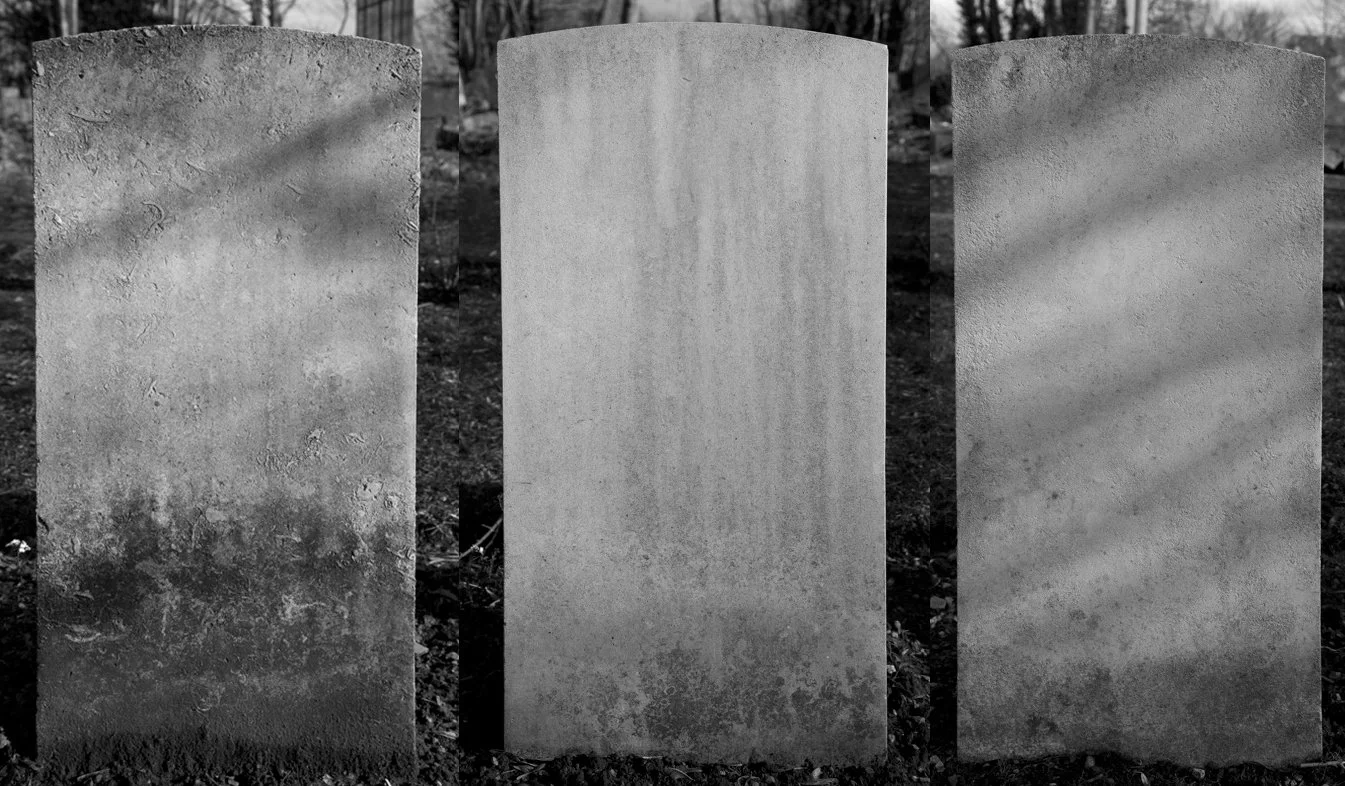
Whitehall War Graves (2019)
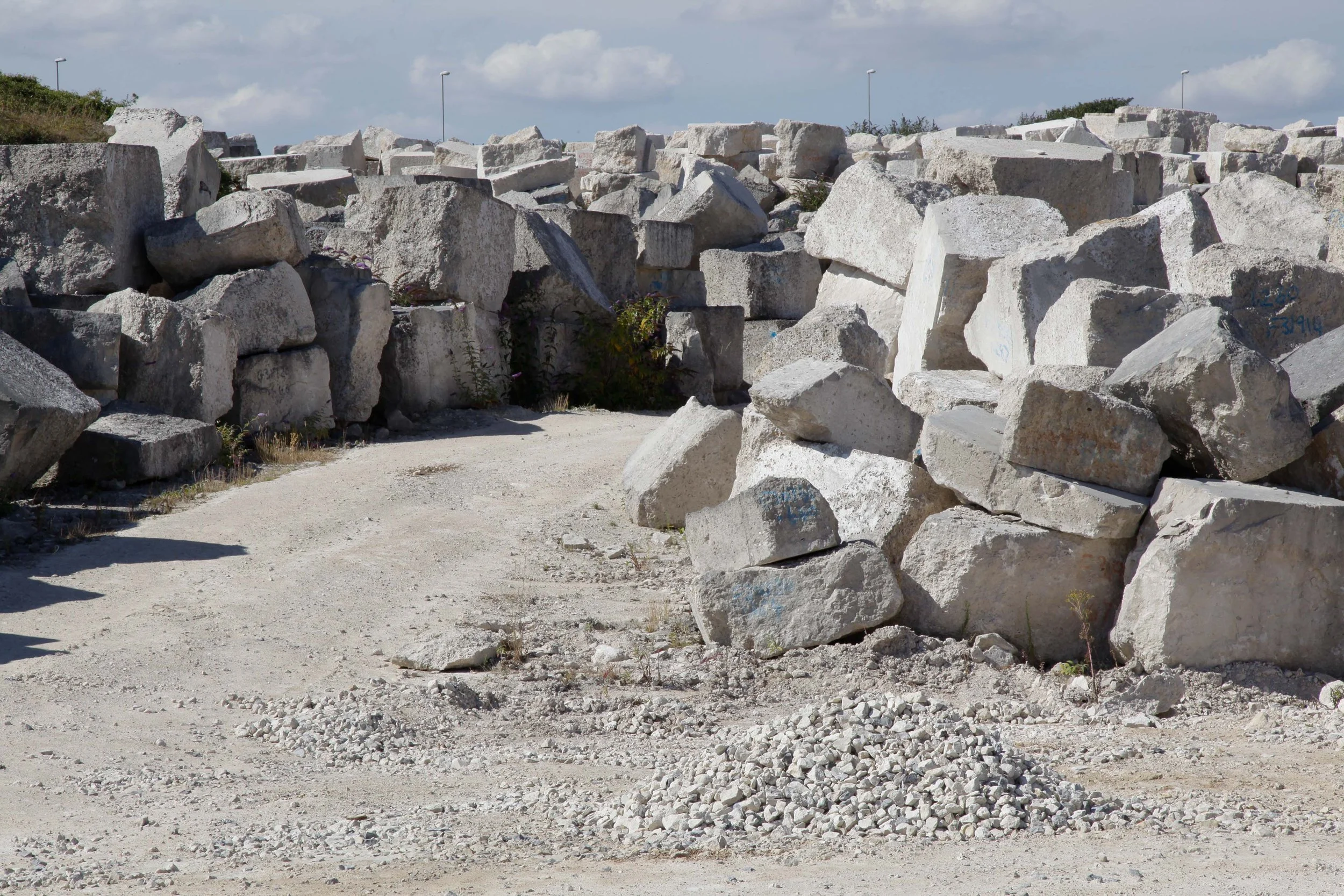
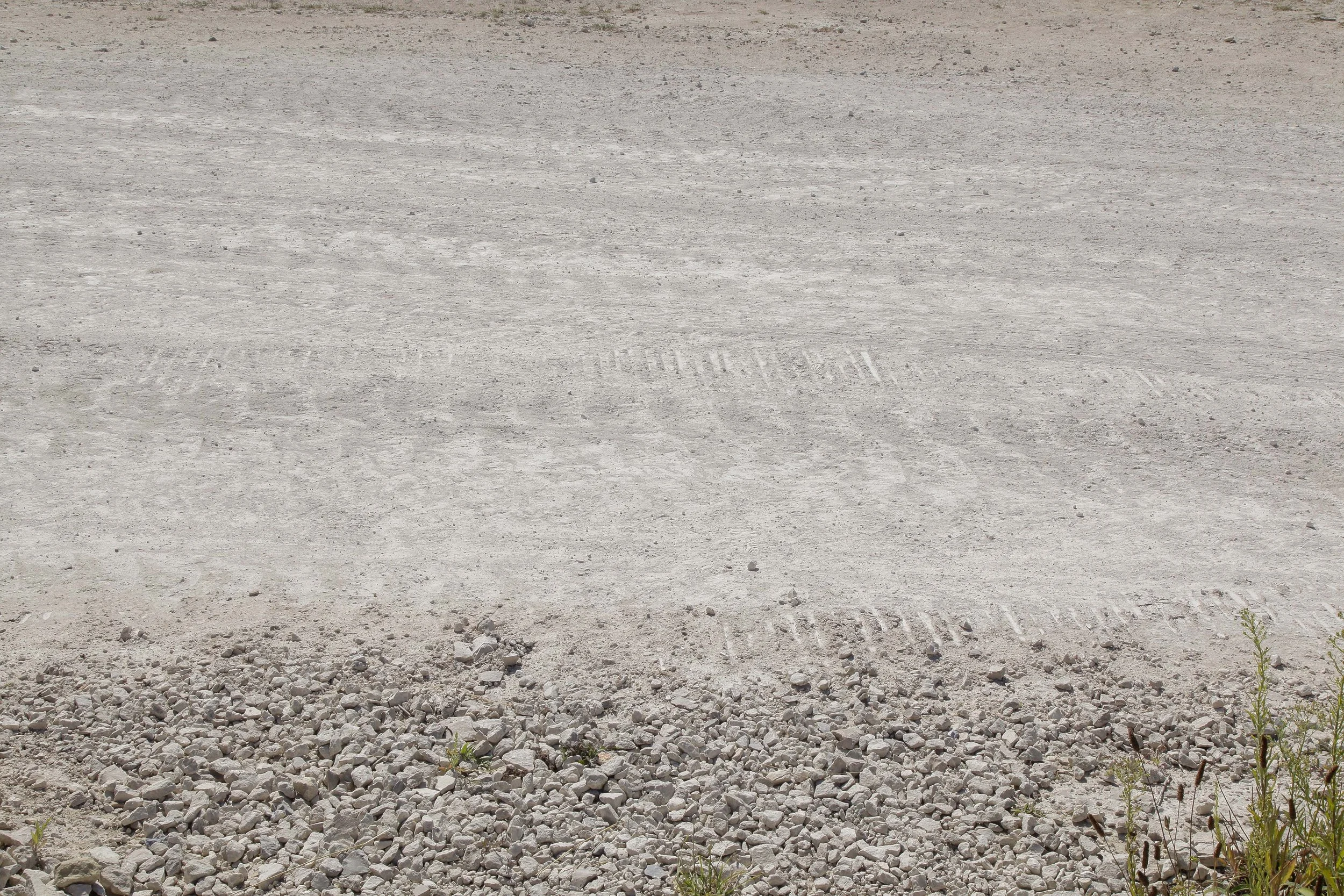
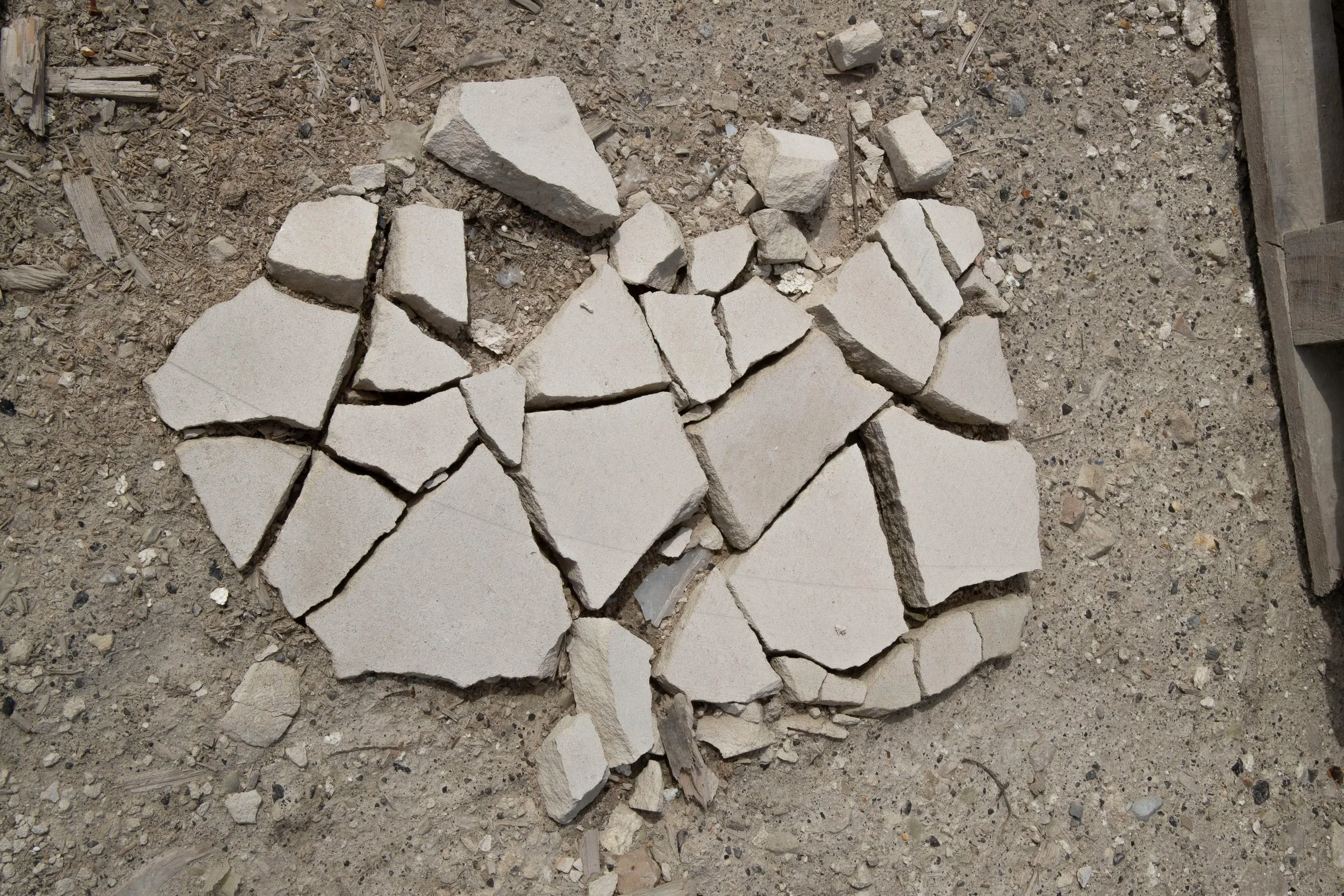
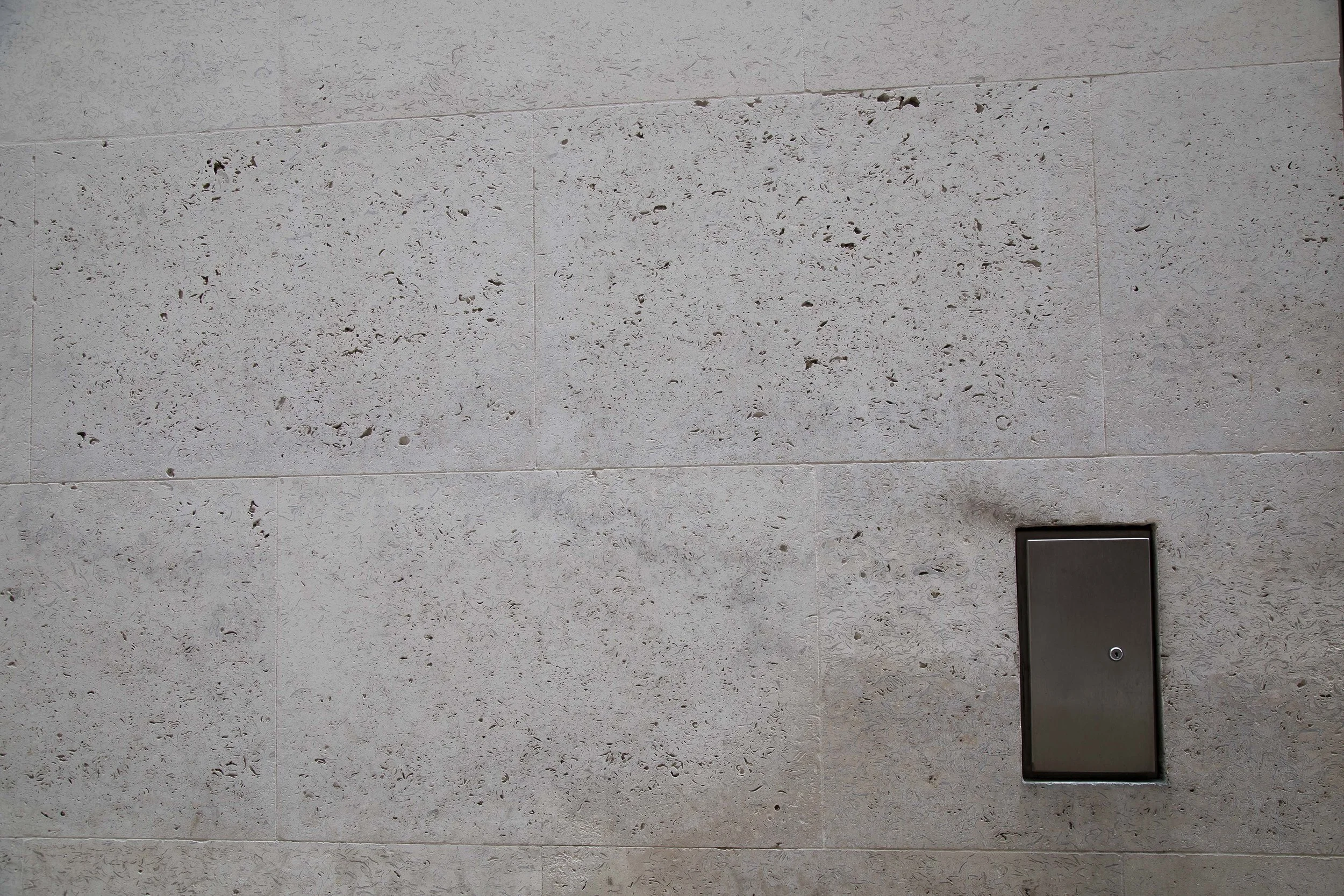
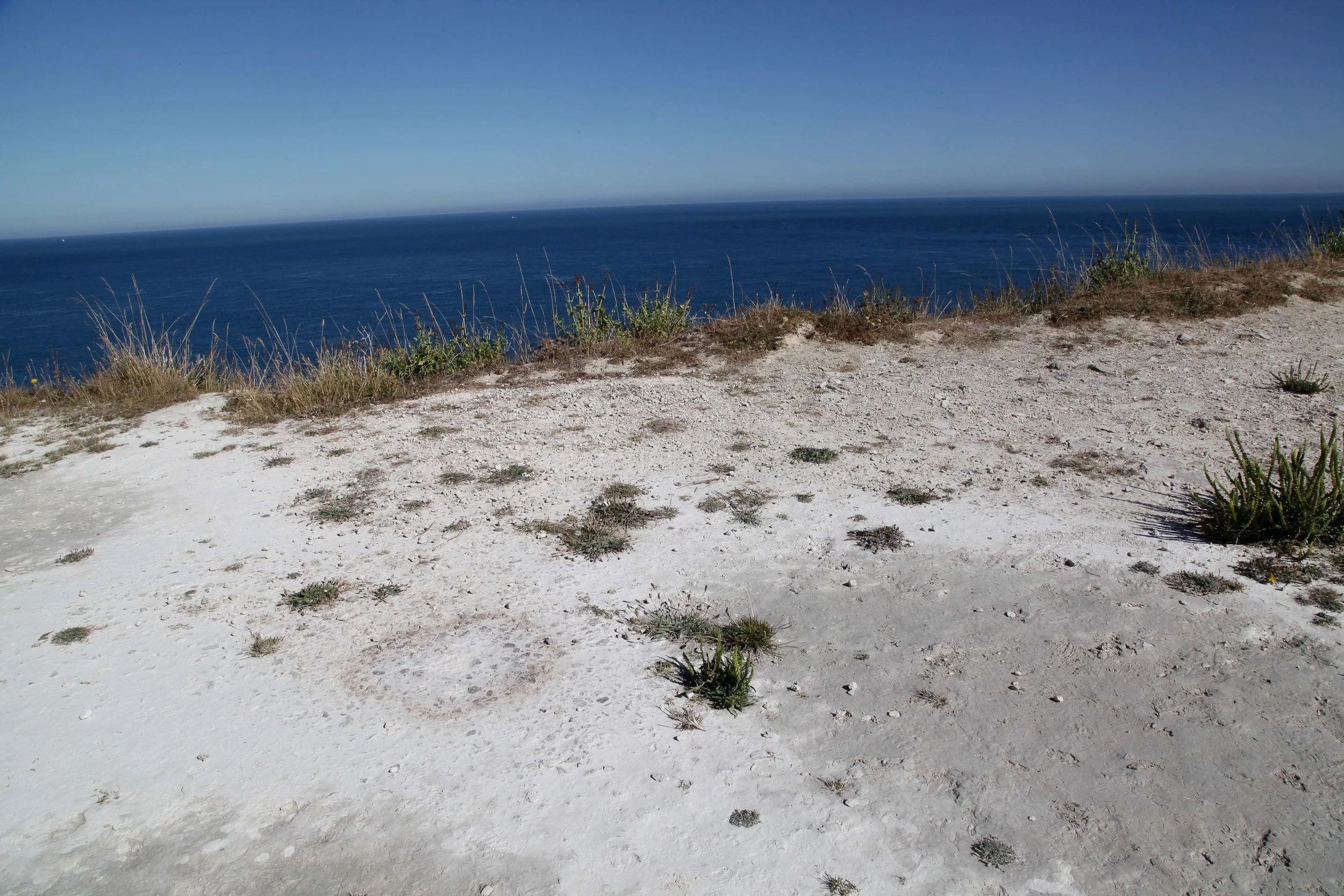
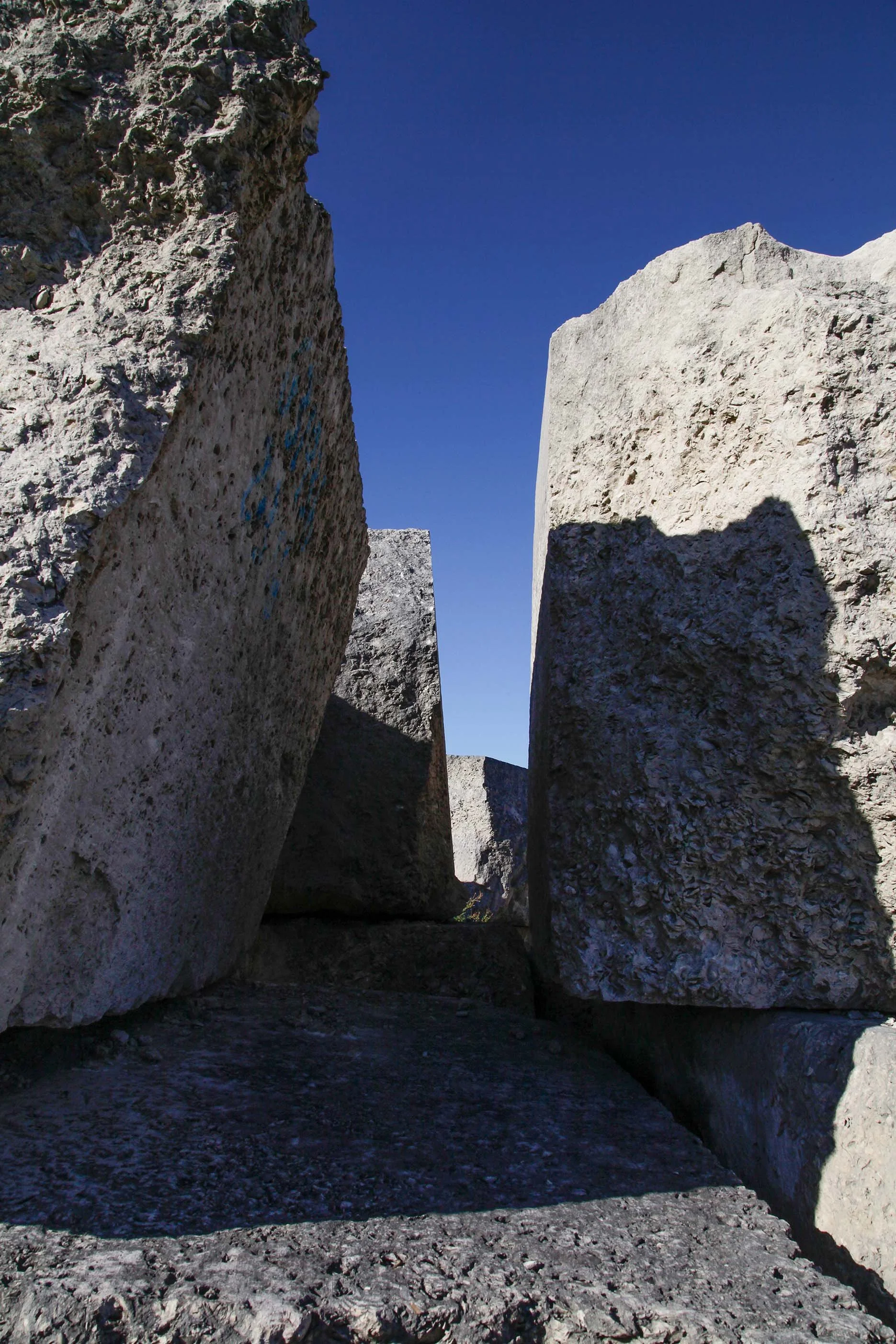
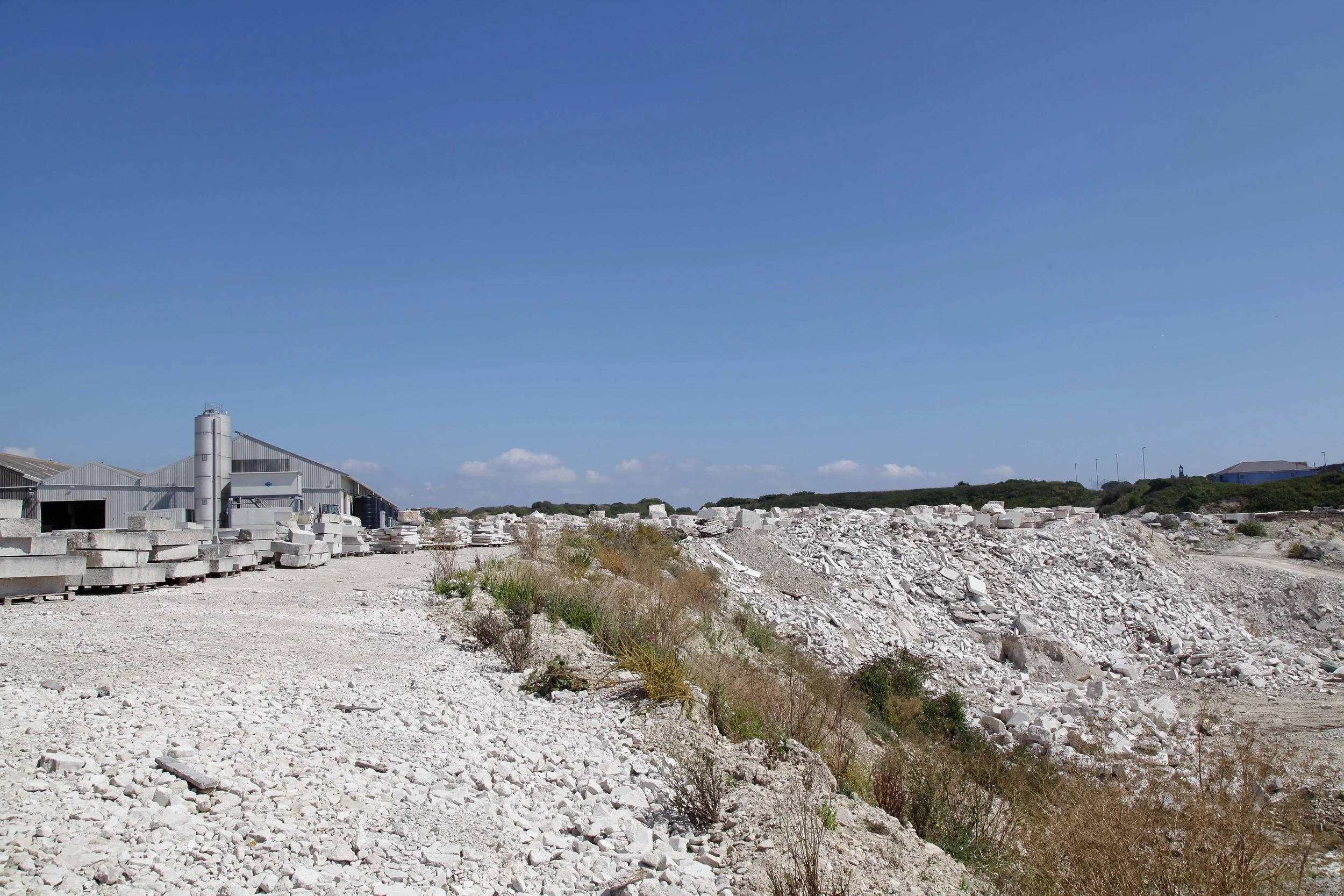
Using the material of Portland stone, this project explored its associated aspects of convict labour, memorialisation and geological place.
This project was made with support from Portland Museum, on the Isle of Portland, Dorset.
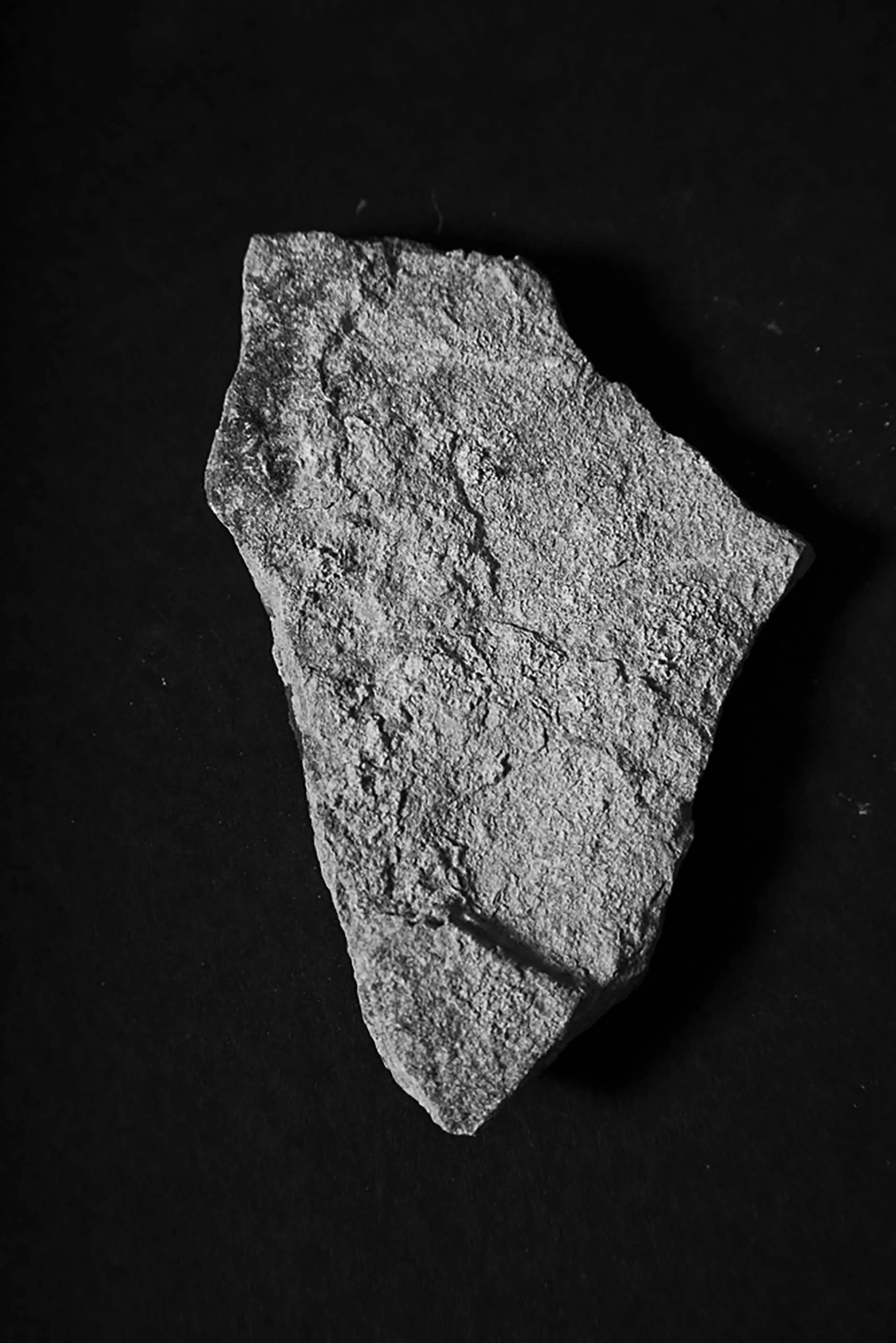
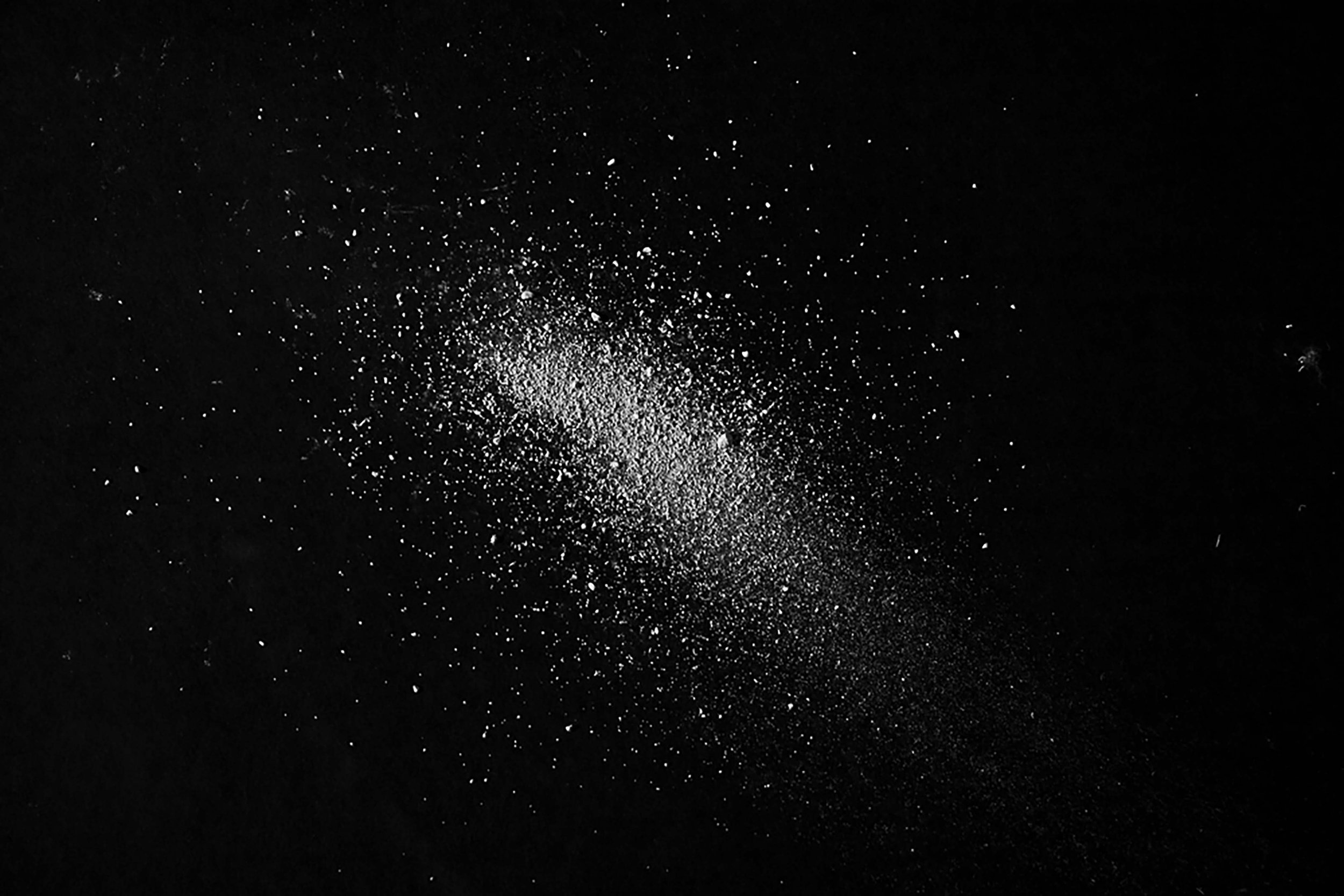
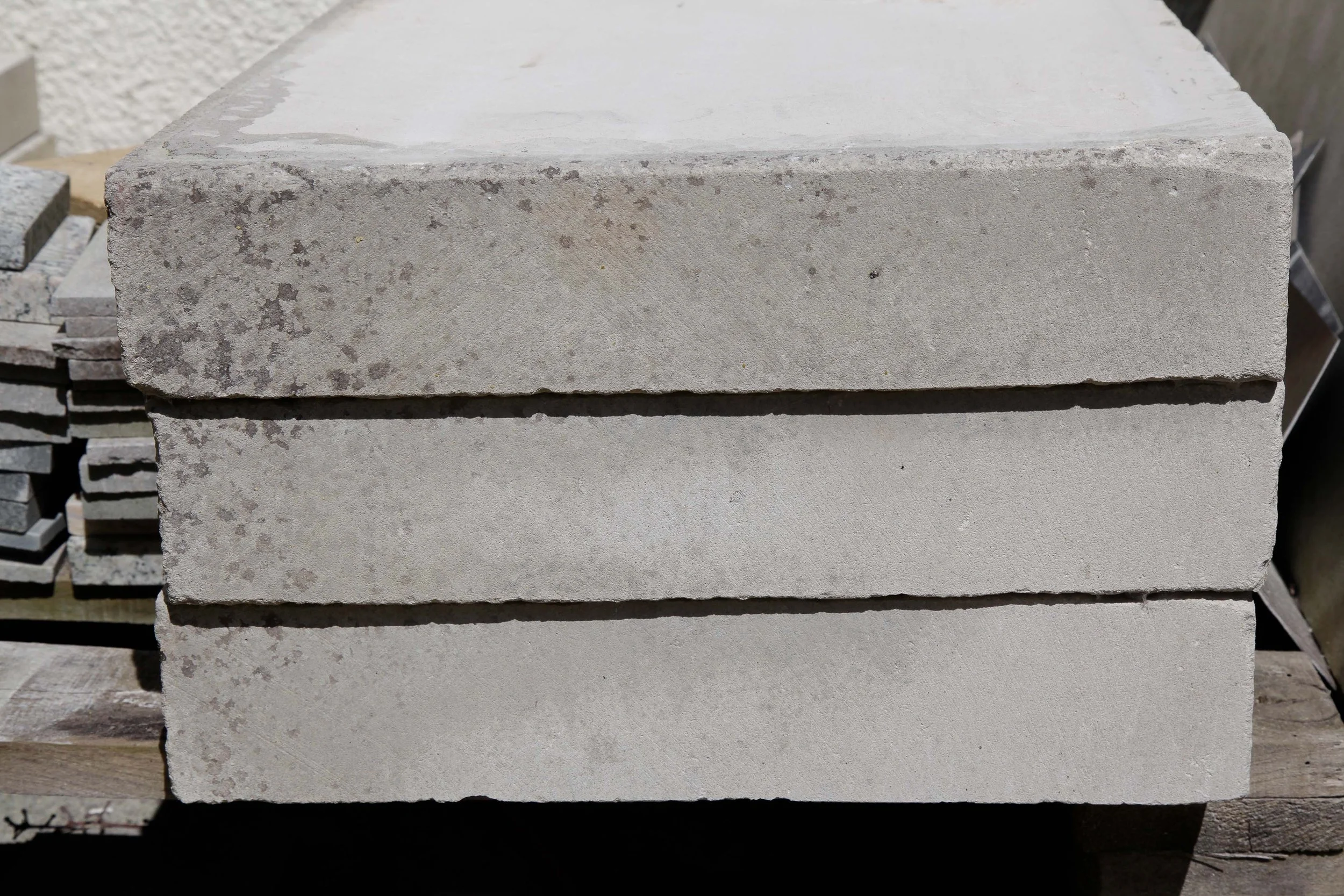

Whitehall War Graves
Rebecca Goddard.
‘Between layers; stone, dust and time’.
Portland Stone and Photographic Materiality.
Portland Stone is a loaded material. Quarried and latterly mined on Portland, Dorset, it is used for Commonwealth war graves in CWGC Cemeteries, on buildings of institutional and economic governance, and now high-end consumption. It is a material that has taken on meanings and functions relating to empire, work and labour, notions of Britishness and memorialisation.
The notion of materiality invites us to consider the physical stuff that surrounds us, not as solid, stable and inert, but as alive with evolving languages of interpretation, of magic and superstition, of memories and remembrance.
Petra Lange-Berndt suggests ‘materials are neither objects nor things[1]’. They are in-between, not yet worked and yet pulled and extracted from where they were formed, and often they are not directly addressed by those studying material culture or fields of social and cultural anthropology.
Materials in their raw states are dirty, physical, sometimes volatile and difficult to manage. They are out of scale, sometimes so immense as to be not noticed, sometimes so minute as to be not registered unless through the assistance of optical devices and trained eyes. They can exist in inhospitable and unimaginable places but have to be hewn and worked at some point by labour and operatives using their hands and knowledge. These people don’t feature within the material surfaces. Their names and expertise are not registered, perhaps only to those who have a shared vocation. The hidden labour of material working is of course is at the very centre of the capitalist economy; its invisibility implicates all, whether that labour is invested or ignored.
This project explores four histories of this stone, all of which are tied to its materiality. Rock strata and the notion of layers of time shared by the geologic and photographic; writing in 1951 the archaeologist and writer Jacquetta Hawkes conceives of an embodied geology describing the exploration of rock strata as falling downstairs, through time[2], like Roland Barthes[3] describing searching for an image of his mother in a box of photographs, working backwards through time.
The role that memory and remembrance play in the use of the stone through war graves; the backs of war graves are photographed, not to anonymise the stones necessarily but to invite reflection upon the surfaces that time and light have created, not unlike a photograph itself.
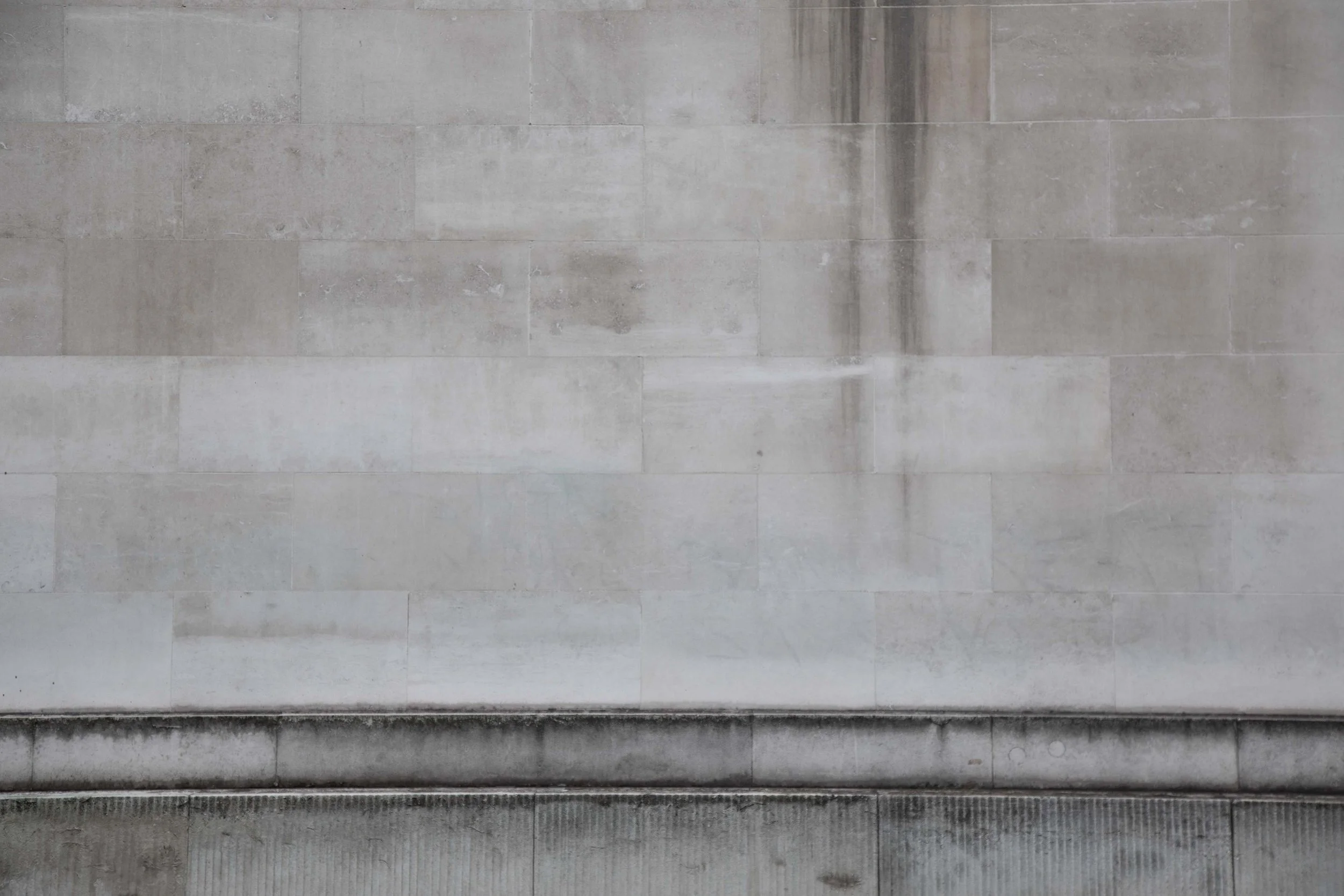
Portland’s prisons were both built by the convicts’ labour using the stone from the island, enclosed both by the walls they built and the perimeter of the island. And the dirty, broken and patched surfaces of the Ministry of Defence, the London Stock Exchange and the Bank of England, dirty and crumbled, to be read metaphorically, as analogies, as signs.
What connects these histories is perhaps what cannot be shown by photographs, and these images and texts are conscious of this. Writers and thinkers on photography, vision and realism, have long considered the visual limitations of the photographic; how can a photograph truly communicate the real? These photographs are made with a direct awareness that they are unable to show who worked the stone or how the surfaces have been marked and worn by those using them, and the environmental elements working their surfaces. So what is left is that the materials communicate, they are media that the senses can decode.
_____________________________
[1] Petra Lange-Berndt, Materiality, Whitechapel Gallery, 2015
[2] Hawkes, Jacquetta, A Land, Harmondsworth: Penguin, 1959
[3] Barthes, Roland, Camera Lucida, Hill and Wang, 1981